
Event Photography · Guide
How to Brief Your Event Photographer
A practical guide for event organisers and marketing teams. What to include, what matters most, and how to get better images from your event.
The Brief
Why the Brief Matters
An event photographer can only plan around the information they have been given. Without a brief, the coverage naturally defaults to the obvious moments: speakers at the lectern, audience reactions, registration, room views and general atmosphere.
Those images still matter, but the photographs that often become most valuable are the ones connected to a specific purpose. They may be used in press releases, annual reports, sponsor decks, stakeholder communications, social media campaigns, internal updates or future event promotion.
A good brief helps the photographer understand what the images need to do, not just what is happening on the day.
The brief is not a constraint on the photography. It is the information that allows the photographer to make better decisions throughout the event, often without needing to interrupt the organiser.
What to Include
What to Include in an Event Photography Brief
The schedule or run of show
Send the event schedule, or run of show, as early as possible. Even a draft version is useful.
The most useful information includes:
• event start and finish times
• arrival and setup time
• key sessions, speeches or set pieces
• breaks, networking periods and hospitality moments
• evening receptions, awards or entertainment
• any sections where photography is not required
For conferences, exhibitions and multi-room events, a floor plan is also helpful. It saves time on the day and helps structure coverage around the venue rather than simply responding to events as they happen.
The moments that cannot be missed
Most events have a small number of moments where the photography matters most. These might include a keynote speaker taking the stage, an award presentation, a product launch, a ribbon cutting, a panel discussion, a sponsor activation or a senior leadership photograph.
Name these moments clearly in the brief.
This does not mean the rest of the event is ignored. The wider atmosphere, branding, networking, guest interaction and natural moments are still covered. The priority list simply makes sure the most important parts of the day are protected.
If formal group photographs are required, list them in advance and allow time for them in the schedule. For larger groups, it also helps to have someone from the event team gather people together. This keeps things moving and avoids disrupting the wider flow of the event.
The people who need to be covered
Named individuals make a significant difference to how coverage is planned.
If the chief executive is only present for the morning, that needs to be known before the event starts. If a sponsor representative, VIP guest, award winner or keynote speaker needs to appear in the final edit, include their name, role and where they are likely to be during the day.
A short list is usually enough. Headshots are helpful where available, especially for larger events where the photographer may not know the key people by sight.
This is particularly important for corporate events, conferences, awards evenings and PR-led events where the photography needs to support a specific communications objective.
How the images will be used
This is one of the most valuable parts of the brief, and one of the most often missed.
Images for press and media need to be framed differently from images for internal use. Social media crops are different from website hero images. Annual reports often need clean, flexible compositions with space around the subject. Sponsor reports may require clear coverage of branding, signage, stands and partner activity.
If the photography is being used across several channels, say so. It helps shape both the coverage on the day and the way the final gallery is edited and delivered.
The strongest event photography is not just a record of who attended. It gives the client a set of images that can be used confidently across press, social, web and internal communications.
Branding, sponsors and visual priorities
If sponsor branding, staging, signage, product displays, partner stands or branded environments are important, include them in the brief.
Also flag anything that should not appear in the final images. That may include competitor logos, sensitive products, private areas, unfinished setup spaces or branding that is not part of the main event.
For sponsored events, exhibitions and corporate launches, a simple list of visual priorities helps make sure nothing important is missed.
Restrictions and sensitivities
Some events have restrictions that affect how photography can be carried out. These should be shared before the day rather than discovered during the event.
Useful details include:
• areas where photography is not allowed
• sessions where flash is not permitted
• restrictions on movement during presentations
• attendees who should not be photographed
• private meetings or closed sessions
• confidential products, documents or screens
• security, access or accreditation requirements
This is not about making the day complicated. It is about preventing problems and allowing the photographer to work confidently without running into issues on the day.
Delivery requirements
If images are needed on the day for press, PR, social media or internal communications, that should be agreed before the event.
Same-day delivery of selected images is possible, but needs to be built into the brief and planned for in advance. A small set of key images can often be supplied during or shortly after the event for immediate use, with the full edited gallery following afterwards.
If the full gallery is needed within 24 hours, that should also be confirmed at the briefing stage. Standard delivery is usually less urgent, but it is still worth agreeing expectations before the event takes place.
Event Photography Brief: What to Send
Before the event, it helps to send:
• the event schedule or run of show
• venue address, room names and floor plan where relevant
• key moments that cannot be missed
• names or roles of VIPs, speakers, sponsors or award recipients
• any formal group photographs required
• branding, sponsor or signage priorities
• photography restrictions or sensitivities
• how the images will be used
• delivery requirements, including same-day selects if needed
• one named point of contact on the day
The brief does not need to be a long document. A clear one-page summary is often more useful than an over-detailed document that tries to account for every minor moment.
On the Day
On the Day
One clear point of contact
The most practical thing an organiser can do is nominate one person as the photographer’s point of contact on the day.
Not the events team generally. One named person who understands the brief, knows the schedule and can help if something changes.
Event days move quickly. Speakers overrun, timings shift, rooms change and extra photographs are sometimes requested at short notice. A clear point of contact keeps decisions simple and avoids losing time.
A short walk-through before the event starts
Where possible, a brief walk-through of the main spaces before the event begins is useful.
It helps establish where the key moments will happen, what the light is doing, where movement is possible and whether there are any restrictions around access, staging or guest flow.
This is particularly useful for awards events, conferences, launches and venues with multiple rooms or restricted shooting positions.
When the schedule changes
Event schedules change. That is normal.
A well-briefed photographer can adapt without needing constant direction because the priorities have already been established. If the photographer knows which moments, people and outcomes matter most, the coverage responds naturally as the day develops.
The brief sets the framework. The day is covered with structure, experience and judgement.
What a Good Brief Does Not Need to Be
An effective event photography brief does not need to be a long shot list for every possible image.
In fact, overly detailed shot lists can sometimes make the coverage less effective because they pull attention away from what is actually happening in the room.
A good brief defines the priorities, not every frame. It helps the photographer understand the event, the people, the brand requirements and the intended use of the images. From there, the coverage can be calm, observant and responsive rather than mechanical.
The aim is not to photograph a checklist. The aim is a strong, useful set of images that reflects the event properly and gives the client the right material to work with.
Experience
A Note on How I Work
I have been photographing events for more than 25 years, with a background in editorial and press photography where moments do not repeat and judgement has to be quick.
That experience affects how I approach every event. I look for the important moments, but I also pay attention to the quieter details that often give the final gallery more value: the atmosphere in the room, the way people interact, the setting, the branding, the energy of the audience and the details that give the gallery context.
For corporate clients, agencies and marketing teams, the aim is photography that feels well observed, professionally handled and genuinely useful. Images need to support how the event will be remembered, reported, promoted and shared.
Once the brief is in place, the photography should become one less thing for the organiser to manage. I work quietly, read the room, adapt when timings change and keep the coverage moving without adding disruption to the day.
The brief does not need to be complicated. A schedule, priority moments, key people, image usage, delivery requirements and one named contact are usually enough to work from. Anything more detailed is a bonus.
For commercial photography commissions, see the guide to briefing your commercial photographer.
Commissioning event photography? Get in touch
or call +44 (0) 1202 937 529.
Get in Touch
Commissioning Event Photography?
If you are planning a corporate event, conference, launch, awards evening, private event or brand activation, send over the date, venue and a brief outline of what needs to be covered. I’ll confirm availability, advise on the right approach and help shape the coverage around how the images will actually be used.
Or call directly on +44 (0) 1202 937 529
Related Articles
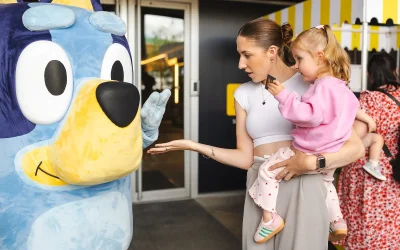
Vue Cinema Beach Day, Poole | Event Photography
Written by Paul Underhill commercial event photographer | Documentary coverage of public brand activations, corporate commissions and live events across Poole, Bournemouth and the wider UKVue Cinema’s Beach Day Takeover at Tower Retail Park, Poole brought a full...

HMS Queen Elizabeth Launch Party | Royal Navy Event Photography, Portsmouth
Written by Paul Underhill – event photographer | Documentary coverage of high-profile military and corporate events across the UK.I was commissioned by the Royal Navy to document the VIP launch party for HMS Queen Elizabeth at Portsmouth Naval Base, shortly after the...

Opening Ceremony Event Photography for SWASFT in Dorset
Written by Paul Underhill commercial event photographer | Documentary and PR coverage for public sector, corporate and opening events across Dorset and the South CoastAs a Dorset-based event photographer I was commissioned to photograph the official opening of...

Bournemouth · Dorset · London · Nationwide