
Dorset · Hampshire · London
How to Brief Your Commercial Photographer
A practical guide for marketing managers, communications teams and agencies commissioning commercial photography.
The Brief
Why the Brief Matters
A commercial photography brief does not need to be lengthy, but it does need to be clear. Sharing the right information in advance helps shape a stronger set of images, keeps the shoot focused, and avoids important decisions being made in a rush once the photography is underway.
This guide is written for marketing managers, communications teams, business owners and agencies commissioning commercial photography, whether for a one-off shoot or a wider programme of work. It covers what to include, what has the greatest impact on the final images, and the details that are often overlooked until you are already on location. For a broader overview of the work itself, see the commercial photography services page.
Commercial images are most valuable when they are made with a clear purpose in mind: an advertising campaign, a product launch, a website rebuild, a new brand identity, an ongoing PR programme or a library of assets for internal communications.
Purpose influences far more than the final edit. It affects what needs to be photographed, how people and environments are shown, whether images need room for copy, how much variety is required, and which moments will matter most after the shoot is over.
With the right context in place, a photographer can make better decisions instinctively throughout the day. A brief should not box the photography in or remove spontaneity. Done well, it creates the conditions for more thoughtful, useful images, while allowing the shoot itself to remain fluid and responsive.
What to Include
What to Include in a Commercial Photography Brief
The purpose of the shoot
The intended use of the images will shape almost every decision that follows. Photography for a new website calls for different thinking from press coverage. Social content may need looser framing and more vertical options, while print advertising or exhibition graphics often require images to work at scale. A portrait series for LinkedIn serves a different purpose again from brand imagery designed for a trade stand or campaign.
Where the shoot forms part of a wider campaign, rebrand or new phase for the business, that context is worth sharing. Understanding where the business is heading helps the photographer create images that work for the immediate brief, while still feeling relevant and useful well beyond the day of the shoot.
Where the images will be used
This is one of the most valuable parts of a commercial photography brief, and one of the easiest to overlook.
Press images need to work differently from a website hero banner. Social content is cropped and consumed in another way again. Brochure layouts, annual reports, exhibition graphics and advertising all place slightly different demands on composition. Where the same image set needs to work across several formats and channels, that should be clear from the outset.
Understanding the intended output shapes the whole approach: how much breathing space is left in the frame, the balance between wider environmental photographs and tighter detail shots, and how the final collection is edited and delivered.
The brand and visual identity
Brand guidelines are always useful where they exist. Colour palette, typography, tone of imagery and examples from previous campaigns can all help the photographer understand the visual world the new images need to belong to.
The aim is not to imitate existing material, but to create photography that feels coherent alongside it. Where new images need to complement, refresh or replace an existing set, sharing those references early helps establish that direction before the shoot rather than trying to solve it after delivery.
Locations
Shoot locations should be confirmed as early as possible. Where there is flexibility, discussing options in advance often leads to a stronger result. A practical setting that supports the brief will usually work better than a visually impressive location that does not.
Studio shoots may require confirmation of the space, any props or sets involved, and who is responsible for organising them. For location work, access, parking and general logistics all matter. It is also worth flagging anything that could affect the day, including restricted areas, noise, security procedures, other contractors, or members of the public moving through the space.
The people involved
Anyone who must appear in the final set should be named in the brief. Where certain people are only available at specific times, that needs to be built into the schedule. If a founder, director or key team member should feature prominently, their availability is best confirmed before the plan is finalised.
For staff portraits or headshot programmes, a clear list of names and a simple running order saves time, keeps the day moving, and avoids interruptions while people are tracked down.
The schedule
A shoot schedule is helpful even for relatively straightforward commissions. The most useful details include:
- Start time and expected finish
- Fixed elements with specific timings, such as a presentation, launch moment, product demonstration or staff group photograph
- Breaks, transitions and natural pauses in the day
- Any periods where photography is not appropriate or not required
- The best times to photograph key people, spaces or activities
For more complex commercial shoots with several moving parts, a short run of show shared the day before is often far more useful than a verbal summary on the morning.
The Template
A Simple Commercial Photography Brief Template
A useful photography brief can often be built from a short set of clear answers. This does not need to be formal. Even a well-structured email is enough if it covers the essentials.
Project overview
What is being photographed, and why is the photography needed?
Business or campaign context
Is this for a website update, launch, PR activity, advertising, recruitment, internal communications or a wider rebrand?
Image use
Where will the images appear? Website, social media, press, brochures, digital advertising, printed material, exhibition graphics or elsewhere?
Required coverage
Which people, products, spaces, activities or moments need to be included?
Visual direction
Are there brand guidelines, reference images, existing photography or specific tones the new work should align with?
Location and access
Where is the shoot taking place? Are there parking, security, access or site restrictions to know about?
Timing
What is the shoot date, working schedule and any fixed timings that cannot move?
Delivery
When are the images needed? Are same-day selects, next-day images or a staged delivery required?
Usage or licensing notes
Will the images be used for standard marketing and PR, or are there paid campaigns, third-party usage or wider licensing requirements to discuss?
Point of contact
Who is coordinating the shoot and making decisions on the day?
Before the Shoot
Before the Shoot: What to Send
Before the shoot, it helps to have shared:
• The purpose of the shoot and where the images will be used
• Brand guidelines or visual references
• Confirmed location and access details
• A list of people who need to be photographed, with availability confirmed
• Any group photographs required, with time allowed for them in the schedule
• Any restrictions on what should or should not appear in the final images
• Delivery requirements, including whether same-day selects are needed
• One named point of contact for the day
A one-page summary is often more useful than a lengthy document. The brief needs to be clear, not comprehensive.
Worth Flagging
Common Things Worth Flagging
Anything that should not be in the images
Competitor products, sensitive documents, unfinished areas, work in progress that is not yet public, screens showing confidential information or branding that is about to be replaced. Better to flag this in the brief than ask for frames to be removed in post-production.
Props, products or assets needed on the day
If specific products, packaging, signage, clothing, branded materials or other assets need to appear in the photography, confirm who is responsible for having them ready. A missing product or key visual element does not always have a workaround once the shoot has started.
Talent or model requirements
If the brief involves people beyond the core team, confirm whether models, actors or external talent are required and who is arranging them. This affects the schedule, release requirements and the overall structure of the day.
Usage rights
Standard commercial usage rights often cover a broad range of uses including web, digital marketing, press and social media. If images are likely to be used in paid advertising, print campaigns, large-scale outdoor media or licensed to third parties, discuss this before the shoot. Usage rights affect both the brief and the contract.
Turnaround
If images are needed within 24 hours, that needs to be agreed before the shoot. Same-day delivery of selected images is often possible for commercial work, but it needs to be built into the plan in advance rather than added once the day is already full.
On the Day
On the Day
One point of contact
Naming one clear point of contact for the shoot makes a noticeable difference.
Rather than responsibility sitting loosely with the wider team, it is far better to have one person who understands the brief, knows the schedule, and can make quick decisions if something changes.
Commercial shoots often move at pace, and time on location is finite. A single contact keeps communication clear, avoids mixed messages, and helps protect the time available for photography.
A short walk-through before you start
Where possible, a brief walk-through of the main spaces before photography begins is time well spent. It helps establish where key elements will take place, what the light is doing, whether there are any access or positioning constraints, and if the plan needs adjusting before the day gets underway.
This is particularly valuable for location shoots in offices, retail spaces, hospitality venues, active workplaces or public settings, where the environment cannot be fully controlled.
When the brief changes on the day
Plans change. A team member may become unavailable, a room may be occupied, an extra product may need to be included, or a location may not work quite as expected.
With the priorities already understood, the photographer can adapt without needing constant direction. Coverage can shift intelligently as the day develops, while still serving the purpose of the brief. Flexibility on the day is much easier when the foundations have been properly set beforehand.
Good to Know
What a Good Brief Does Not Need to Be
An effective commercial photography brief does not need to become a detailed shot list for every frame.
In fact, a list that is too prescriptive can make a shoot less effective. It draws attention away from what is actually happening and risks replacing judgement with box-ticking.
The brief should define the essentials: purpose, audience, location, people, usage and tone. With that context in place, the photography can remain observant and responsive, while still being shaped around how the images will ultimately be used.
The goal is not to photograph every item on a list. It is to create a set of commercial images that represents the business clearly, serves the brief, and gives the marketing team work they can use with confidence.
Working Together
A Note on How I Work
I have been photographing commercial work for more than 25 years, across lifestyle, portrait, PR, editorial and brand photography for businesses, agencies and charities throughout Dorset, Hampshire, London and the South Coast.
That experience shapes how I approach every brief. Commercial clients rarely need images that look polished in isolation but prove awkward to use afterwards. They need well-made photography with a clear purpose, created for the places it will actually appear.
Once the brief is in place, the photography should become one less thing to manage. I work quietly around real businesses and active locations, keep the shoot moving without making it feel over-managed, and deliver files in a format marketing and communications teams can use straight away.
A clear sense of the purpose, the people, the locations and where the images are going is usually enough to build from. Everything beyond that helps refine the approach, shape the coverage, and make the final set more useful.
For event photography commissions, see the guide to briefing your event photographer. For an overview of commercial photography services, visit the commercial photographer Dorset page.
Ready to discuss your next shoot? Complete the enquiry form below
or call +44 (0) 1202 937 529.
Get in Touch
Commissioning Commercial Photography?
If you are planning a commercial shoot, a branding session or an ongoing photography programme, get in touch with an outline of what you have in mind, the location and a rough timeline. I will confirm availability, advise on the right approach and help shape the brief around how the images will actually be used.
Or call directly on +44 (0) 1202 937 529
Related Articles
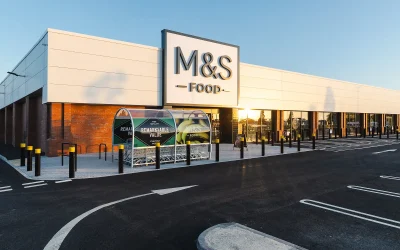
Photographing the M&S Store Opening in Poole
Written by Paul Underhill, a Bournemouth-based commercial photographer working across Dorset and the South Coast.M&S commissioned me as their commercial photographer for the opening of the new 20,000-square-foot store at Redlands in Poole in August 2026, covering...
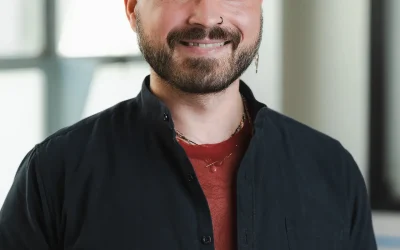
Team Headshots in a Bournemouth Coworking Space
Written by Paul Underhill – Bournemouth commercial photographer | Specialising in professional headshots, team and company portraits, brand shoots and business lifestyle imagery for businesses across Dorset and Hampshire.Most team headshots are photographed in a...

Website and Brand Photography for Corbin & Co Estate Agents in Bournemouth
Written by Paul Underhill – Bournemouth commercial photographer | Specialising in website photography, brand shoots, professional headshots and business lifestyle imagery for SMEs and local businesses across Dorset and Hampshire.When Corbin & Co Estate &...

Bournemouth · Dorset · London · Nationwide