
How to Plan Your Wedding Photography in Dorset
Most couples do not spend much time thinking about photography until the venue is booked and the guest list starts taking shape. By that point, some of the decisions that matter most have already quietly been made. This guide draws on 25 years of photographing weddings across Dorset and is written for couples who want their day documented honestly, not staged for the camera.
What Kind of Photography Do You Actually Want?
This is the first question, and it is worth taking a moment to think about.
Some photographers take a hands-on approach. They position you, adjust the light and shape each frame so it looks polished and carefully composed. Others work more quietly, observing rather than directing. The camera follows the day rather than steering it. Moments are photographed as they unfold, not recreated afterwards.
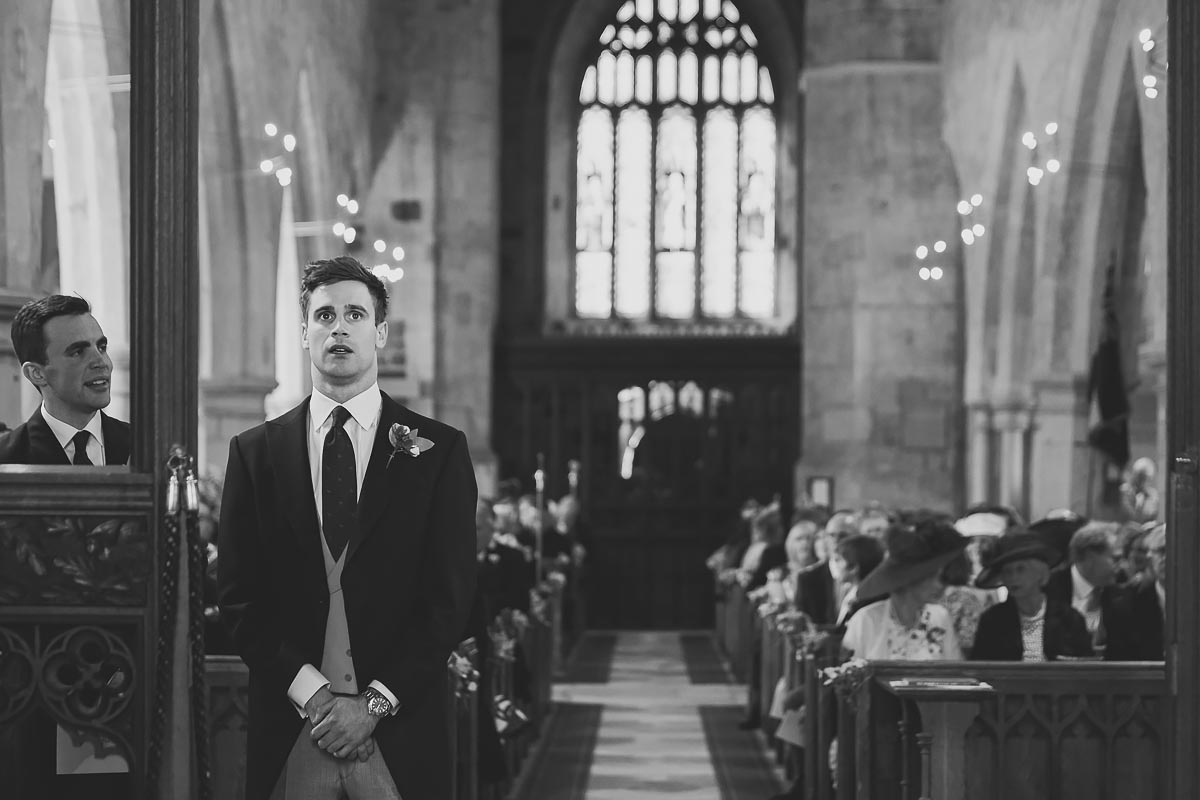
Documentary wedding photography suits couples who want to look back and see the day as it truly felt. The conversation on the doorstep before the ceremony. Your grandmother watching you walk in. The shift in the room once the first dance begins.
After photographing weddings for many years, one thing becomes clear: the moments people value most are rarely the ones that were staged.
That does not mean there is no guidance at all. Portraits benefit from gentle direction, and group photographs need organising. But the foundation is observation, not orchestration.
Finding a Photographer Who Feels Right for Your Day
Portfolio style matters, but it is not the whole picture.
You will spend much of your wedding day with your photographer close by. Meeting before you book, even briefly, makes a real difference. You want to feel comfortable in their presence, not simply impressed by what you see online.
If you are still weighing that up, this guide on how to choose a wedding photographer explains what is worth looking for beyond a strong portfolio.
Ask to see full wedding galleries rather than curated highlights. A polished set of twenty images reveals far less than an entire day shown from morning through to evening. Look for consistency across changing light, different spaces and unscripted moments, not just the occasional standout frame.
It is also important to consider whether their experience aligns with your kind of wedding, the scale, the setting, the atmosphere. A photographer who regularly covers relaxed garden celebrations and one who works predominantly at formal country houses are not always interchangeable, even if both produce strong, consistent work.
How Your Venue Shapes the Photography
Your venue has more influence on the photography than many couples realise. It often only becomes obvious on the day itself.
A country house such as Smedmore House or Mapperton House brings textured interiors, layered gardens and spaces that allow images to breathe. Coastal venues across Dorset offer open skies and long evening light that can be remarkable in the right conditions. Barn conversions vary enormously. Some are beautifully lit and full of character. Others are genuinely challenging.
When visiting venues, pay attention to how the spaces feel to move through. Is there natural light in the ceremony room? Somewhere quieter for portraits away from the main crowd? An outdoor space that works if the weather shifts?
None of this needs to be perfect. Every venue has constraints, and working with them is part of the job. The key is understanding them early, so the day is planned around the space rather than reacting to it on the morning.
If you are still comparing options, you can explore detailed guides to Dorset venues here.
Building a Timeline That Actually Works
The most common planning mistake is simply not leaving enough space between things.
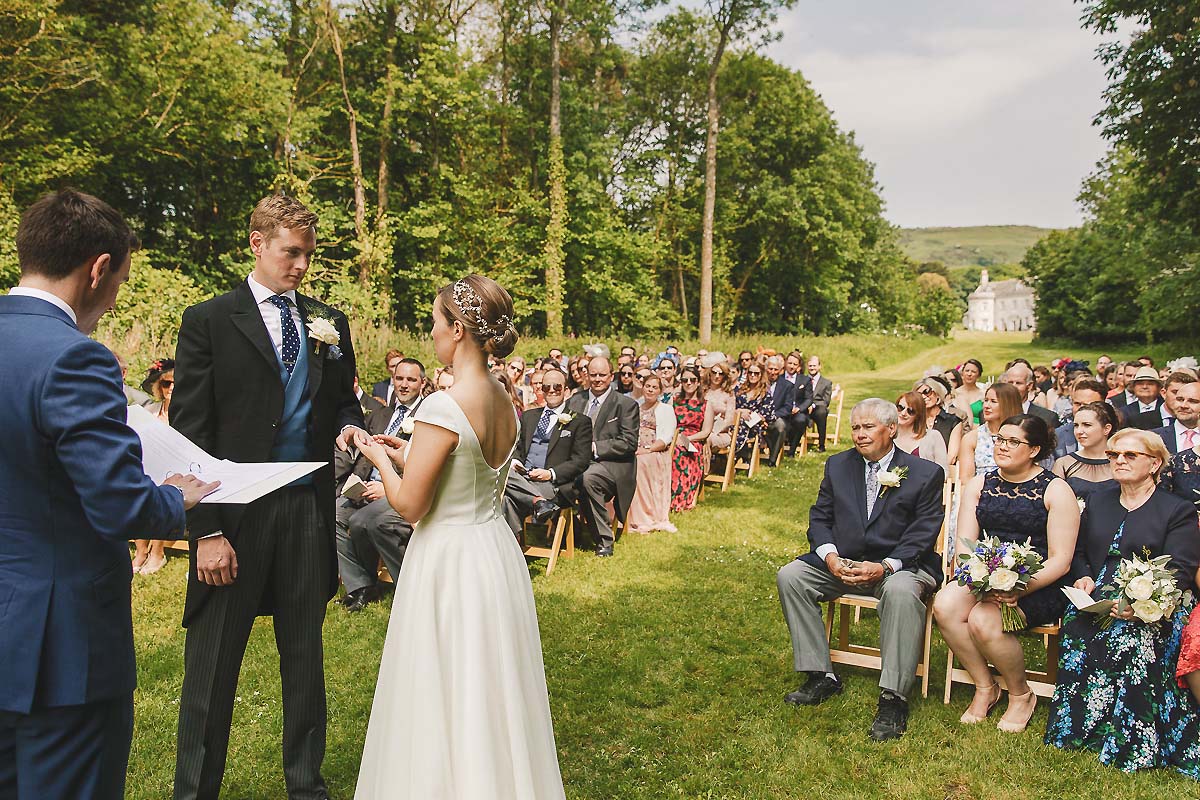
A wedding day moves quickly, and the photographs that often matter most happen in the quieter in-between moments: the last few minutes before the ceremony, the walk from the room where you got ready, the pause between dinner and the speeches. Those moments disappear fast when a schedule is drawn too tightly.
Good photography does not require the day to slow down. It requires breathing room. Time for preparation to unfold naturally rather than feel rushed. A portrait shoot placed at the right point in the day, when the light works with you instead of against you. Small buffers between transitions so nothing feels pressured.
If you would like a deeper look at how to structure the day, including how light shifts and why the hour before sunset is worth protecting, you can read the full wedding photography timeline guide.
How Much Coverage Do You Need?
This is best considered in terms of what you genuinely want to look back on, rather than what feels like the default.
Full-day coverage, from preparation through to the evening, documents the complete arc of the day. Shorter coverage focuses on the ceremony and the key moments around it. Neither is inherently right or wrong. It depends on how much of the day you want preserved as a cohesive set of photographs, not just as memories you will carry regardless.
For a smaller, simpler wedding, shorter coverage can be entirely sufficient. For a day with guests travelling from afar, multiple locations, or an evening reception that is central to the celebration, longer coverage usually makes more sense.
If you would like a more detailed breakdown, you can read my guide on how many hours of wedding photography you need. For pricing and package details, those are set out separately.
When to Book
Popular dates in Dorset, particularly summer Saturdays at established venues, often secure 12 to 24 months in advance. If your date is fixed and the venue confirmed, it makes sense to enquire sooner rather than later.
Booking early also allows the photography to be considered alongside the wider plans while everything is still flexible. Timeline, light and location logistics are far easier to shape at the beginning than to retrofit once the schedule is set.
Should You Do a Pre-Wedding Shoot?
For most couples, the honest answer is yes, though perhaps not for the reason you might expect.
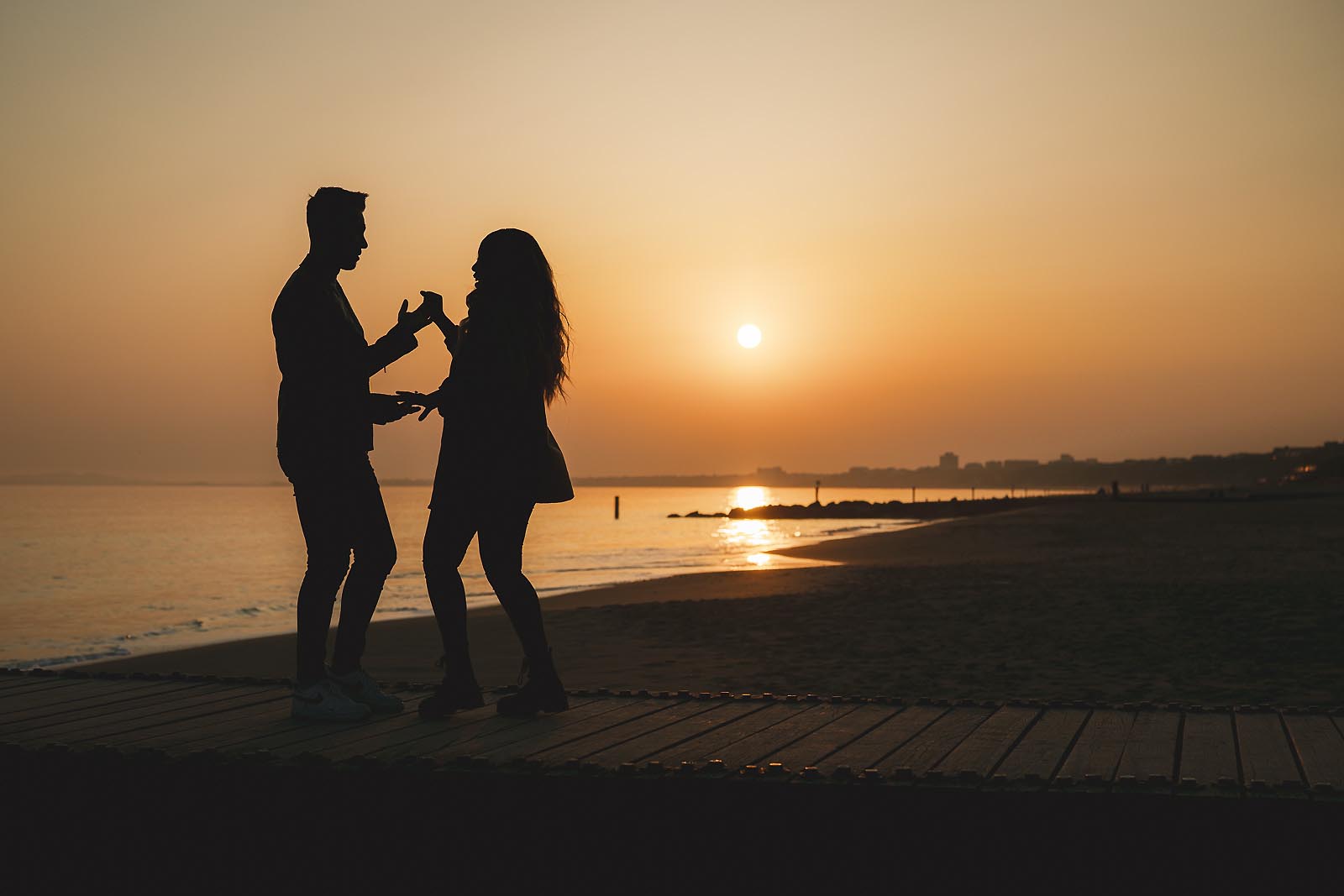
The real value of a pre-wedding shoot is not primarily the images it produces, although those can be genuinely useful. It is the removal of unfamiliarity before the wedding day itself. You have already met. You understand how your photographer works. You know what feels natural to you. That familiarity almost always shows in the photographs.
Wedding days move quickly. Most couples are surprised by how much unfolds from the moment they wake up. Arriving at the portrait part of the day already comfortable with the process makes a noticeable difference.
If you would like to explore this in more detail, you can read more about pre-wedding shoots.
PLANNING YOUR DORSET WEDDING
Choosing With Confidence
By the time you reach this point in your planning, most of the big pieces are already in place. Photography sits quietly within all of that. It does not need to dominate the process, but it does deserve thoughtful consideration. The right choice is rarely about who has the most dramatic portfolio. It is about trust, consistency and feeling comfortable enough to be yourselves.
If you are looking for practical details, from how photographs are delivered to what happens if something unexpected arises, these are covered in the wedding photography FAQ. Or you can explore how this approach looks in practice across the Dorset wedding photography portfolio.
More Wedding Photography Guides
Practical guides for couples planning their wedding photography in Dorset.
- How to Plan Your Wedding Photography
- Wedding Day Timeline Guide
- What Happens If It Rains on Your Wedding Day?
- How Many Hours of Wedding Photography Do You Need?
- How Much Does Wedding Photography Cost in Dorset?
- Wedding Photography Style Guide
- Wedding Group Photos That Feel Natural
- How to Look Natural in Wedding Photos
- The Best Time of Year to Get Married in Dorset
- What 600 Dorset Weddings Have Taught Me
- Wedding Photography FAQs

Bournemouth · Dorset · Hampshire · London
- Wedding Photographer Dorset
- Documentary Wedding Photography
- Editorial Wedding Photography
- Planning Your Wedding Photography
- Dorset Wedding Venues Guide
- Wedding Photography Pricing
- Wedding Photography FAQs
- Happy Couples & Reviews
- Intimate Weddings & Elopements
- Registry Office Weddings
- LGBTQ+ Weddings
- Check My Availability
- Smedmore House wedding photographer
- St Giles House wedding photographer
- Mapperton House wedding photographer
- Came House wedding photographer
- Studland Bay House wedding photographer
- Lulworth Castle wedding photographer
- Minterne House wedding photographer
- Larmer Tree wedding photographer
- Hinton St Mary Estate wedding photographer
- English Oak Vineyard wedding photographer
- Parley Manor wedding photographer
- Poole Guildhall wedding photographer