
From the Pit to the Aisle
I started documenting music events, covering gigs and club nights across the UK, taking assignments in Ibiza, flying to Berlin for a cover shoot. Weddings were a long way from any of that.
What those years built is the foundation for everything I do now.
Learning the craft on film, in the dark
My early work was all on film, manual focus, in environments with no usable light and no margin for error. Club floors at two in the morning, festival stages, dark rooms where you worked with whatever the space gave you.
There was no checking the back of the camera, no second chance, no fixing it later. You read the space, read the light, and made the call. Quickly, intelligently, on instinct. The ability to anticipate a moment rather than chase it became second nature. It still is.
The music press years
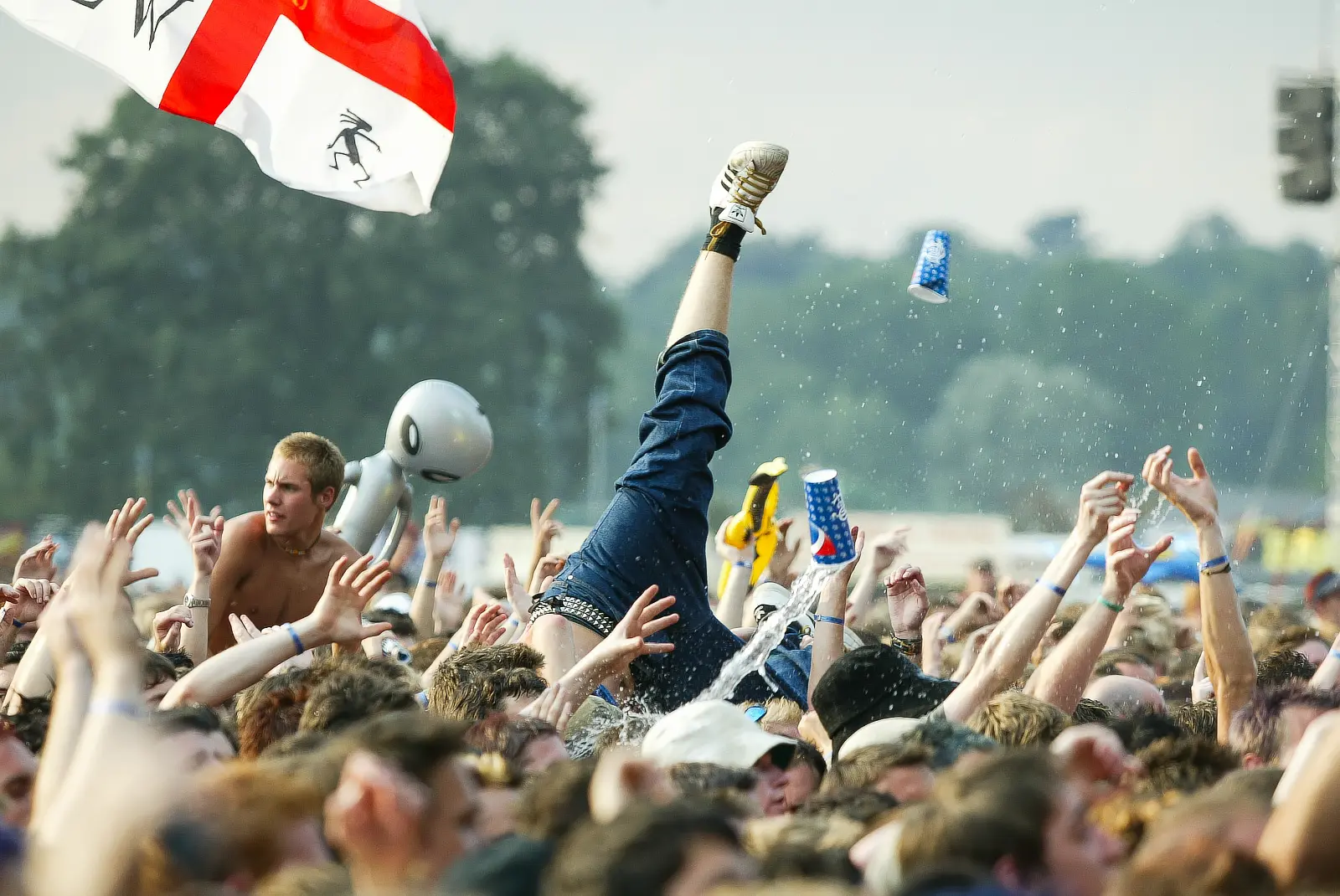
Through the 1990s and into the 2000s I shot regularly for some of the UK’s best-known dance music titles, including Mixmag, Muzik, DJ Mag, IDJ Magazine, and Ministry. Alongside the magazine work I was commissioned directly by event promoters, driving regularly to Manchester, Sheffield, Birmingham, and London to cover club nights and events across the country. The domestic circuit was constant work, hundreds of nights across years, before any of the international assignments came into it.
I took annual assignments in Ibiza over more than a decade, working on DJ Mag’s Ibiza summer special across multiple seasons, covering everything from artist portraits and club nights to restaurant reviews and beach shoots. When the work called for it, a DJ would commission me directly. DJ Mag also sent me to Dubai on several occasions for shoots in a similar vein.
Four minutes with a stranger
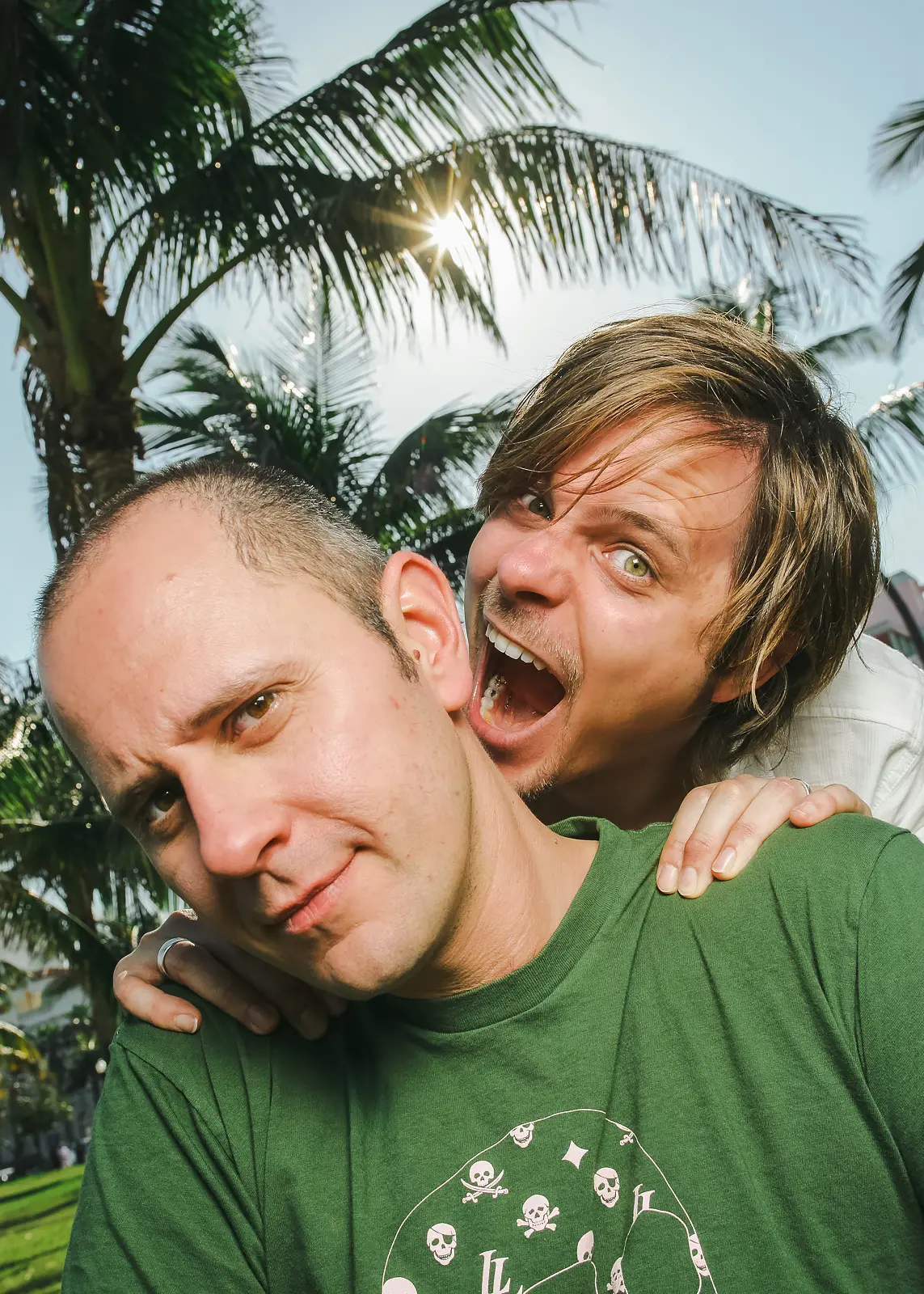
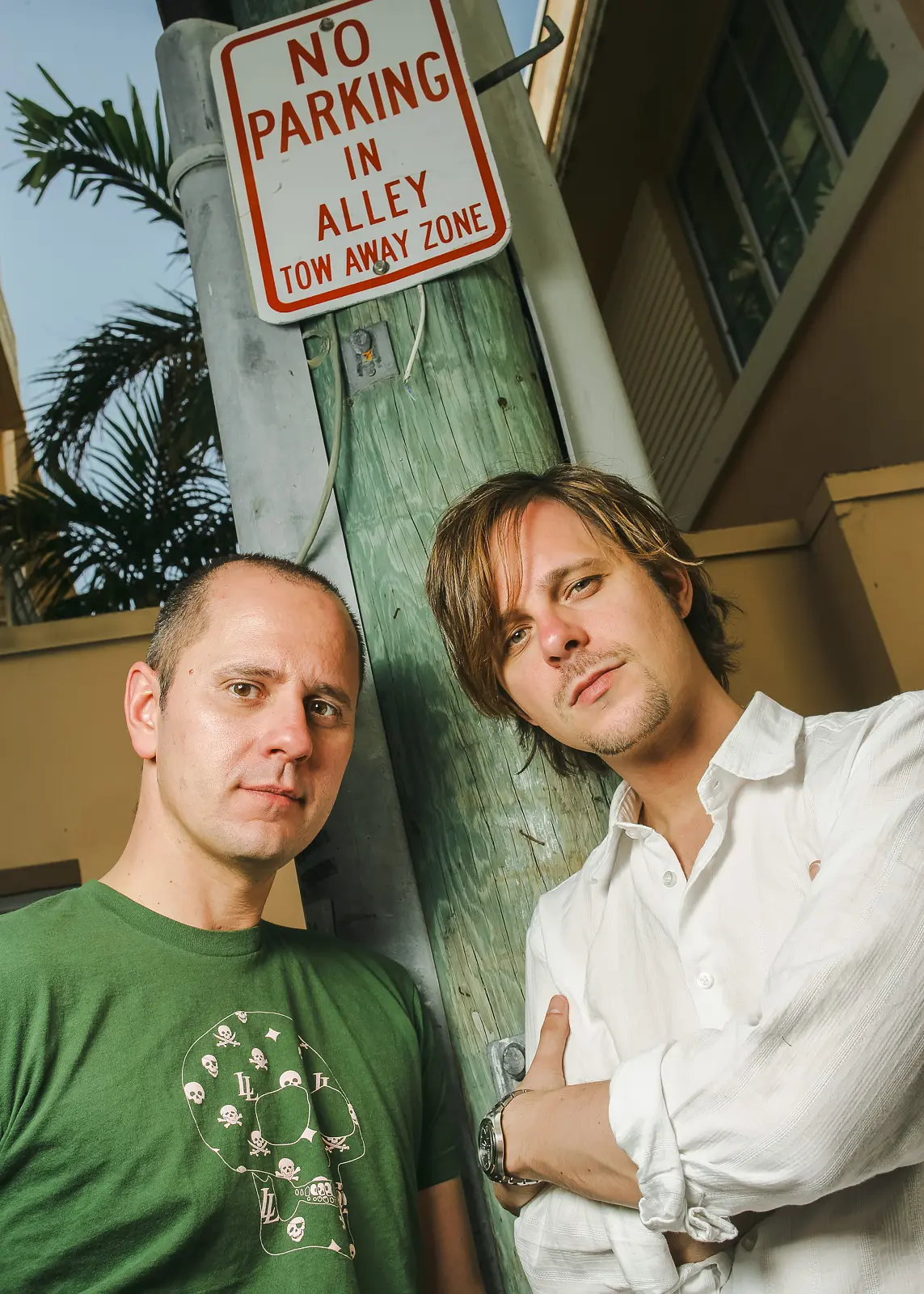
Those portrait sessions had their own particular pressure. A very short window, sometimes just a few minutes, with an artist who had a full day ahead and wasn’t necessarily interested in being there. You had to make quick decisions about location and light, establish some kind of trust fast, and get something publishable before the moment closed. There was no room for lengthy set-up or slow rapport-building.
I flew to Berlin to shoot Paul van Dyk for an IDJ cover, documenting the portrait session and then his performance that evening, the crowd, the atmosphere, the whole arc of the night. I spent a week in Miami for DJ Mag, shooting artist portraits and live events including a cover session with Booka Shade. I was the official photographer for Reading Festival in 2002 and 2003. A world tour spanning roughly seven years took me across 20 countries, running 20 to 30 international dates a year, including South Africa, Russia, Germany, Kazakhstan, Beirut, and major festivals across the Netherlands with crowds of 50,000 to 120,000. I documented a private event at the Versace mansion in Miami. I worked directly for bands and international artists, and for brands including Red Bull, Smirnoff, and Sony Music.
Scale, logistics, and reading a crowd
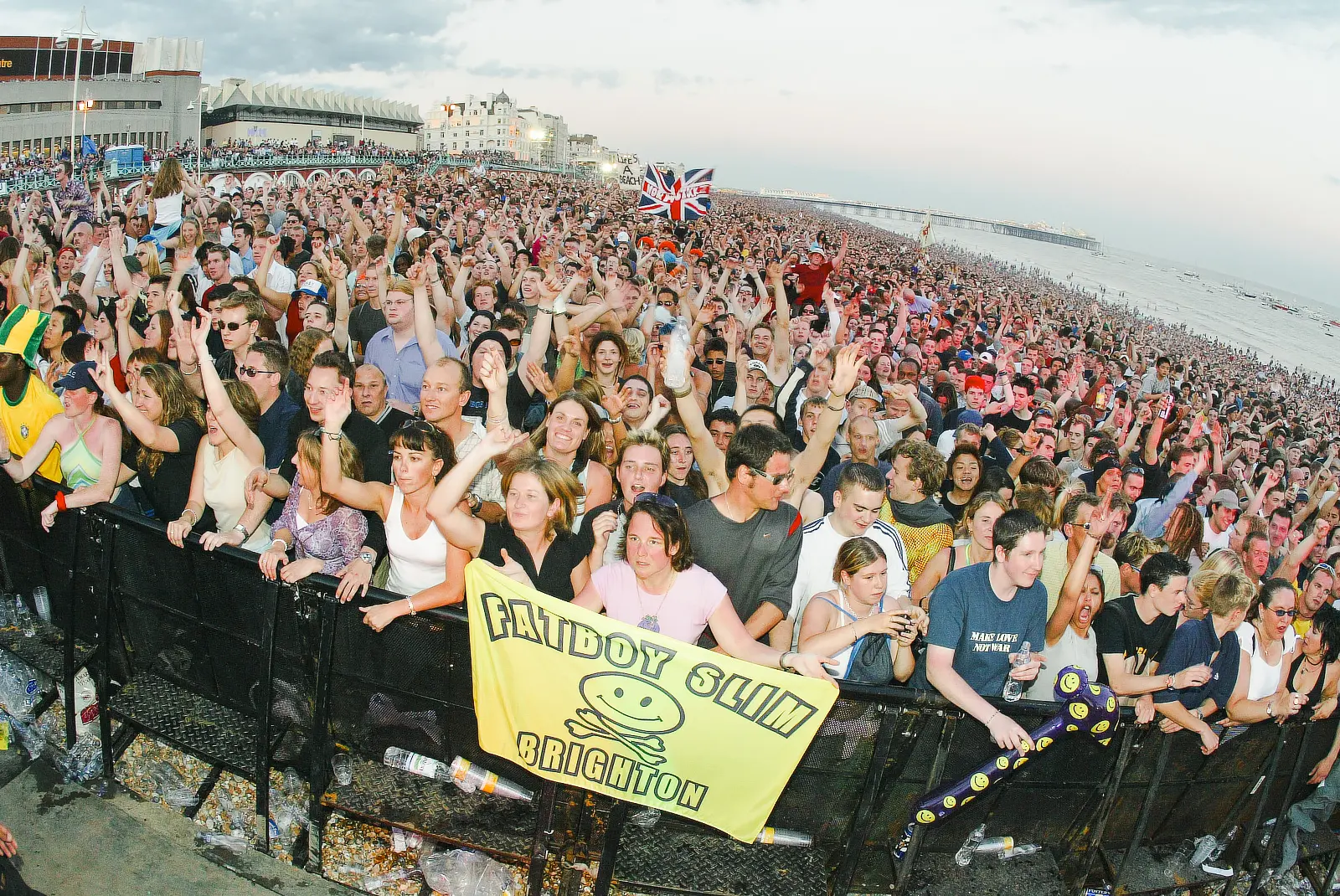
Music festivals and arena events are a specific kind of challenge. UK crowds running to 30,000, the biggest events to 100,000. I was there for the very first Big Beach Boutique in Brighton in 2002, when an estimated 250,000 people turned up on the seafront for what nobody had quite anticipated becoming that scale of event. Bestival on the Isle of Wight, Snowbombing in the Austrian Alps, Alexandra Palace in London. Iconic club nights at Turnmills and the Warehouse Project in Manchester. Each environment different, each with its own logistical demands and its own character to read.
Multiple stages, complex production schedules, pyrotechnics, lighting rigs timed to the second. You cover a large site under pressure, across a very long day, with a detailed commercial brief and no margin for missing the moments that matter. That work builds a particular discipline. Reading large, dynamic environments fast. Knowing when the lights are about to shift, when the pyro is coming, where the energy in a crowd is building before it peaks. Anticipating rather than reacting. Staying organised across a demanding schedule while remaining completely present to what is happening in front of you.
What you also learn is how to document people when they are completely absorbed in something. Tens of thousands of people at a festival are not performing for a camera. They are lost in the music, in the moment, in each other. That is unguarded. It is just unguarded at scale.
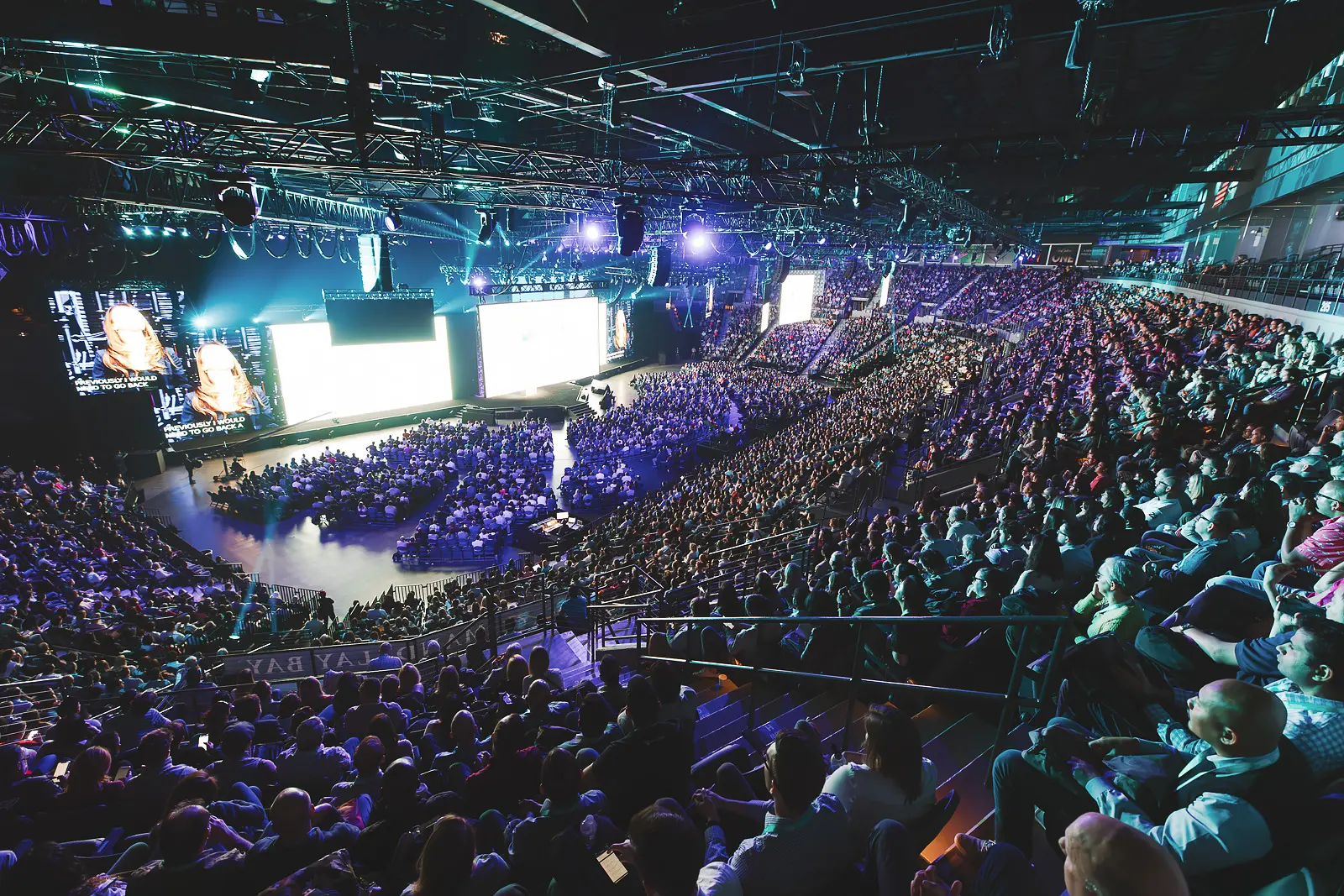
The Tableau conference in Las Vegas, 20,000 attendees, drew on the same fundamentals in a different setting. Large-scale logistics, multiple sessions running in parallel, specific brand requirements, a long day with a long brief. Corporate events at that scale demand the same calm and planning that major festival work does. Over the past decade conferences and corporate commissions for clients including Microsoft and Tableau have become a significant part of the work alongside weddings and commercial shoots.
How weddings came into it
A contact from the music industry asked me to photograph their wedding. I said yes, reluctantly. I hadn’t been looking for wedding work and wasn’t sure it suited me.
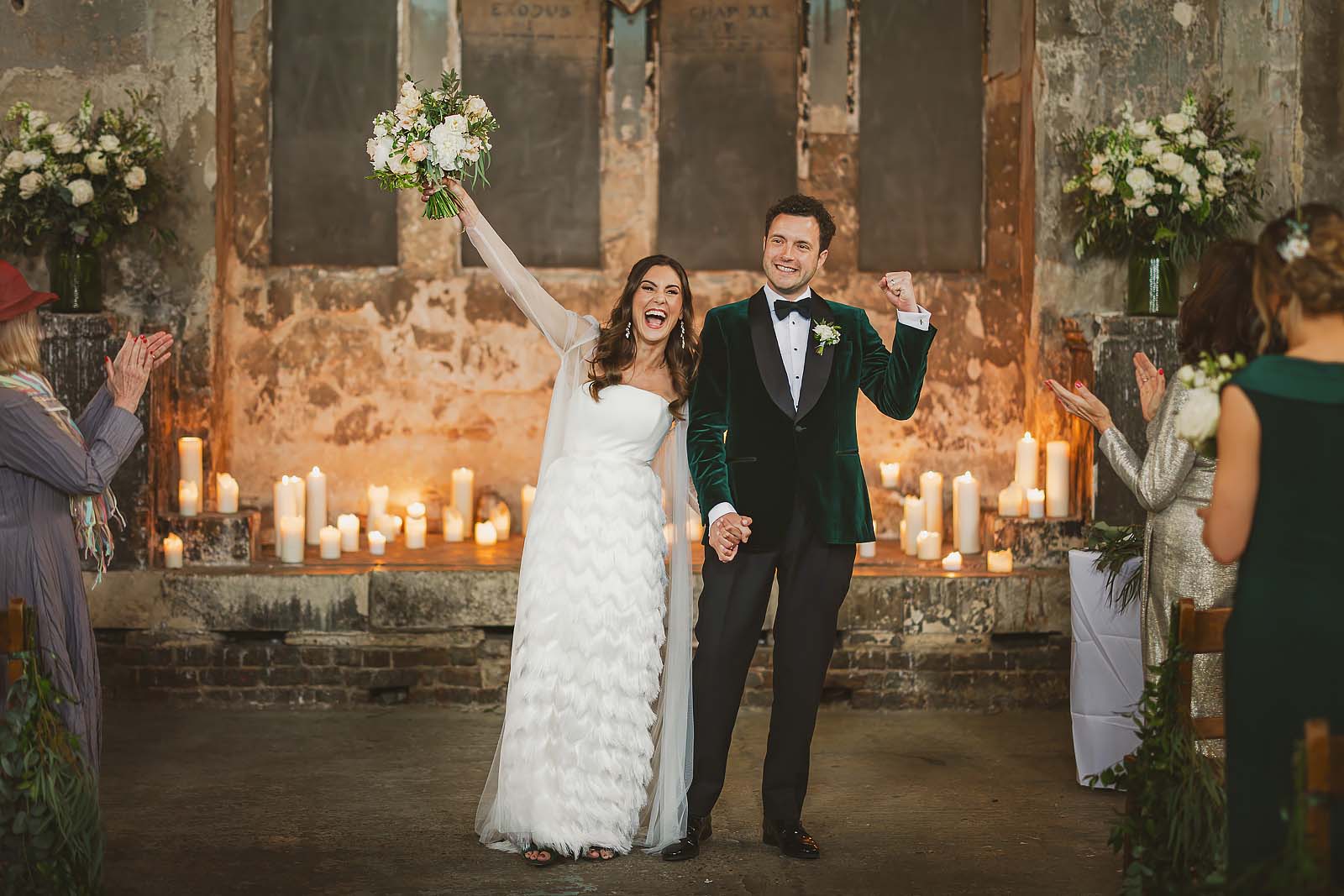
I went, documented the day the way I’d always worked, and the couple loved it. More people started asking. The industry itself was shifting at the same time, moving away from heavily directed formal photography toward something more candid and honest. Reportage style was gaining ground. What couples increasingly wanted was what I’d spent years doing.
The work grew quickly. The more I photographed, the more I understood the rhythm of a wedding day, how it moves, where the real moments tend to sit, how to read a room full of people who are nervous and emotional and caught up in something that genuinely matters to them.
Weddings are among the most intimate events you can document. The emotion is personal and close. Two people, their families, everyone they love most, all in the same room. I am someone who feels that acutely, and for me that is the pull. Somewhere along the way the work stopped being reluctant and became something I genuinely love. I have now photographed over 600 weddings.
What all of it adds up to
When people ask what I do, I sometimes say I specialise in documenting people doing things on location.
What that means in practice is three decades of working in fast-moving, unpredictable environments, with people from every background, at every scale, under pressure, often in difficult light. Festivals with 100,000 people on site. Conferences with 20,000 delegates. Weddings with 100 guests and thirty years of relationships in the room. The contexts are completely different. The instinct behind the camera is the same.
Very little that happens on a shoot is likely to be the most demanding situation I have handled. That kind of judgement is not learned quickly. It builds over time.

Bournemouth · Dorset · London · Nationwide