
MUSIC CULTURE ARCHIVE
Dance Music and Festival Photography Archive
A first-hand archive of UK dance music and festival culture from 1995 to 2006, photographed across more than 400 events, from clubs and arenas to outdoor festivals and dance tents.
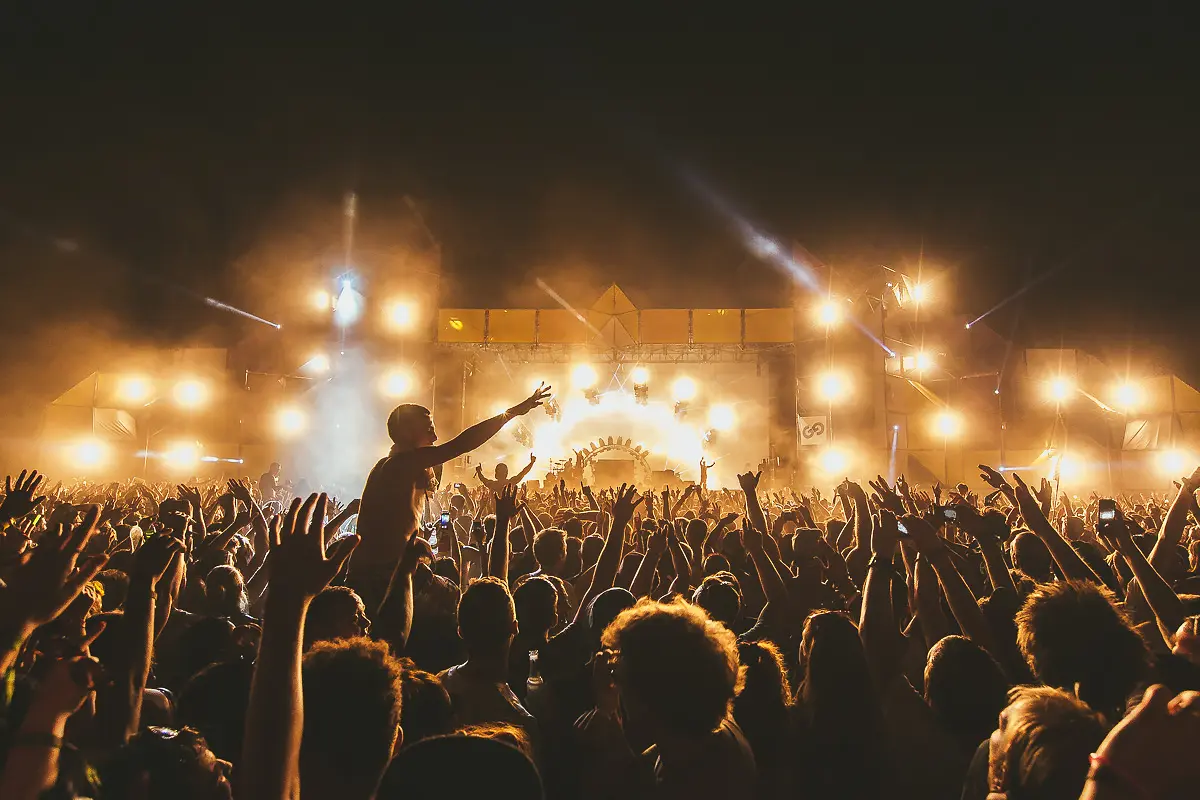
Between 1995 and 2006, Paul Underhill photographed more than 400 dance music events across the UK, from clubs and arenas to outdoor festivals and dance tents, working as an accredited photographer for DJ Mag, Mixmag, Muzik, Ministry and IDJ.
This archive is the result. It covers dance music as it actually was: not just the DJ on stage, but the crowds, the fashion, the scale, the production, the in-between moments and the wider visual culture of a scene that became a defining part of British popular culture.
The photographs were not made retrospectively. They were made at the time, within the scene, for real publications and real clients. That gives the collection a documentary authenticity that is difficult to recreate.
Images from the archive are available for editorial features, books, documentaries, exhibitions, broadcast and licensing use. For commercial, brand, advertising and research enquiries, see the music photography licensing page.
Shot from inside the scene
Dance music photography is often remembered through individual clubs, DJs or headline festivals. The culture was considerably wider than any single brand.
It was a fast-moving mix of music, fashion, nightlife, print media, youth identity, outdoor events and large-scale production, and it changed significantly between the mid-1990s and the mid-2000s. The archive spans that full arc: from the period when electronic music was still finding its place in UK culture, through the superclub era, into the moment when dance music became a permanent fixture at major outdoor festivals.
The photographs cover the atmosphere around events as much as the headline moments: packed crowds, stage lighting, the detail of clothing and movement, backstage environments, the visual language of the time. For editors, researchers and producers, that wider context is often just as valuable as a recognisable DJ portrait.
Festivals, dance tents and outdoor electronic music
By the late 1990s, dance music had moved well beyond the nightclub. Specialist brands hosted arenas and tented stages at major festivals. DJs performed to outdoor crowds of tens of thousands. Events such as Global Gathering, Creamfields and the dance arenas at major UK summer festivals marked a shift in scale that this archive reflects.
The collection includes festival crowds, outdoor stages, dance tents, production and lighting from across this period. These images show how electronic music went from club floors to one of the defining elements of the British festival landscape.
These photographs may be useful for projects exploring the development of electronic music at festivals, the expansion of club culture into large-scale public events, and the way dance music embedded itself in mainstream UK summer culture.
Beyond the DJ booth: the culture around the music
The strongest documentary archive of any music scene is not built on performer portraits alone. The culture was built by the people in the crowd: the clothes they wore, the way they moved, the friendships, the lighting, the smoke, the branding, the queues and the shared experience of being in the room.
This collection includes images of DJs performing, but also the wider human detail: clubbers, festival-goers, dancers, backstage environments and the quieter in-between moments that help show what the scene actually felt like. For many archive uses, those details are the difference between a generic music image and something with genuine cultural value.
Photographed for the publications that defined the era
During this period, dance music magazines played a central role in shaping how the scene was seen and remembered. DJ Mag, Mixmag, Ministry, Muzik and IDJ were the primary editorial record of the scene, documenting the clubs, the DJs, the events, the fashion and the personalities around the music.
Paul worked across all of these titles, creating images for editorial coverage, club features and event reports throughout the era. That background gives the archive a strong documentary and editorial foundation. The photographs were made under real working conditions, on assignment, for specific clients and deadlines. Not assembled retrospectively to fill a gap.
Who uses this archive
Documentary and broadcast
Film and television projects covering UK dance music, festival culture, British social history or specific events and figures from the period. Photography made inside the scene at the time carries a different evidential weight from stock imagery or reconstruction.
Editorial and publishing
Features, books and retrospectives covering British club culture, electronic music history and late 90s and early 2000s youth culture. Publications and authors working on the period need photography that stands alongside text rather than merely illustrating it.
Exhibition and cultural programming
Gallery shows, museum projects and cultural events working with British subculture, music history and youth identity. Exhibition researchers require specific technical information and image provenance alongside the photographs themselves.
Brand and design research
Companies working with late 90s and early 2000s aesthetics, archive imagery or cultural references from the period for campaigns, visual identities or editorial projects.
LICENSING AND USE
Licensing and archive access
The archive is available to license across a range of uses. The most common enquiries come from editorial, documentary, publishing, exhibition and broadcast projects.
For brand research, heritage campaigns and commercial visual reference, the music photography licensing page covers the full range of commercial use options.
Licensing depends on the intended use, territory, duration and image selection. For some uses, particularly commercial advertising or content featuring identifiable individuals, further clearance may be required.
To enquire about archive access, send over the project details, including the publication or production name, intended use, territory, duration and any deadline. The more specific the brief, the faster the conversation.
ARCHIVE SECTIONS
Browse the Archive
This section forms part of a wider first-hand archive of UK rave, club, trance and dance music culture. Each section covers a distinct period or area of the work.
90s Rave Photography Archive
UK rave culture from the early 1990s. Underground events, warehouse nights, early electronic music scenes and the dancefloors that defined the era before the scene went overground — documented on film as it was happening.
UK Superclub Era Photography Archive
Gatecrasher, Slinky, Godskitchen and Cream. The late 1990s and early 2000s: the branded club nights, arena events and festival stages, with their own distinct visual identity, scale and fashion.
Music Photography Licensing
Images from across the archive are available for editorial, documentary, broadcast, publishing, exhibition and brand use. Details on archive access, image selection and licensing enquiries.
THE PHOTOGRAPHER
About the photographer
Paul Underhill has worked as a professional photographer for more than 25 years. Within dance music, he spent the late 1990s and early 2000s shooting regularly for DJ Mag, Mixmag, Muzik, Ministry and IDJ, the publications at the centre of the scene, while working as an official photographer for major club brands, promoters and festival clients.
The photographs in this archive were made in working conditions: live events, demanding light, real access. They were not staged, reconstructed or sourced from the margins of the scene. Paul was in the room, on assignment, across more than 400 events.
That sustained first-hand presence is what makes the archive distinct from crowdsourced collections or retrospective assemblies. It is one photographer’s documented record of a period that is increasingly difficult to find well-photographed. The full collection sits within the wider music culture photography archive.
For archive access, licensing enquiries, documentary research, exhibition projects or editorial use, get in touch with details of what you are working on.